


 By neha - July 01, 2026
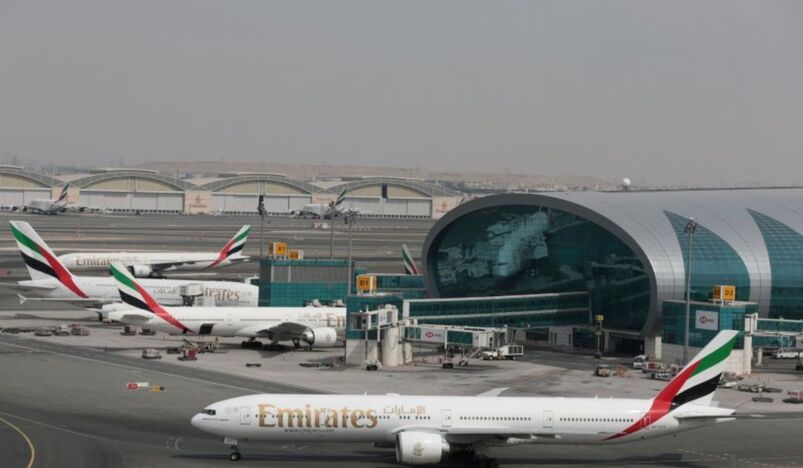
Emirates, Qatar Airways and Etihad Airways have recovered close to normal operations after months of disruption. Their comeback now threatens gains that Asian airlines picked up during the Iran conflict. Industry data shows the balance on Asia to Europe routes is shifting back.
What Happened During the Disruption
Major Gulf hub airports shut down after the Iran war began on February 28. Drone and missile attacks forced airlines to suspend or reduce flights through the region. Asian carriers stepped in during that gap, gaining higher passenger traffic and stronger ticket prices on Europe bound routes.
Before the conflict, Emirates, Qatar Airways and Etihad carried close to a third of all passenger traffic between Asia and Europe. Aviation analytics firm Cirium reported the three airlines handled over half of all Australia and New Zealand to Europe travelers. That dominant position weakened sharply once their hub airports went offline.
How Fast the Gulf Carriers Have Recovered
Flightradar24 data shows the three Gulf airlines reached about 90 percent of normal flight operations by mid June. That recovery came just a few months after the initial disruption began. Industry figures suggest the rebound has moved faster than many expected at the outset.
The International Air Transport Association reported a sharp improvement between March and May. Middle Eastern airlines cut their year on year passenger decline from nearly 60 percent down to 28 percent. That trend points to steady month on month recovery across the region's major carriers.
Why Asian Airlines Are Losing Their Edge
Non-stop passenger traffic from Asia to Europe surged almost 30 percent year on year back in March. By May, that growth rate had slowed to 15 percent as Gulf carriers restored capacity. More competitive fares from Emirates, Qatar Airways and Etihad are drawing passengers back toward Gulf hub routes.
Renewed traveler confidence has added further momentum to the shift. Australia lifted its do not travel advisory for Gulf transit hubs in June. That advisory had previously voided travel insurance for passengers routing through the region.
The Impact of Australia's Policy Change
Flight Centre Travel Group reported a 36 percent jump in Emirates, Qatar Airways and Etihad bookings within a week of the advisory change. That spike shows how quickly demand can shift once safety concerns ease. It also signals renewed traveler trust in Gulf hub connections for long haul routes.
What This Means Going Forward
Asian carriers benefited from a temporary window while Gulf hubs stood grounded. That window now appears to be closing as normal capacity returns. Airlines competing on Asia to Europe routes will likely face tighter margins as competition intensifies again.
Frequently Asked Questions
Q: Why did Gulf airlines reduce flights earlier this year?
Drone and missile attacks during the Iran conflict forced major Gulf hub airports to shut down temporarily.
Q: How much of their normal capacity have Gulf airlines restored?
Emirates, Qatar Airways and Etihad reached about 90 percent of normal operations by mid June.
Q: Which airlines gained the most during the Gulf disruption?
Asian airlines gained higher passenger traffic and stronger fares on Europe bound routes during the gap.
Q: What changed for Australian travelers in June?
Australia lifted its do not travel advisory for Gulf transit hubs, restoring travel insurance coverage.
Q: How much did bookings rise after Australia's advisory change?
Flight Centre reported a 36 percent jump in bookings on the three Gulf carriers within a week.

_20-08-2026_05-08.jpg)
_27-51-2026_11-51.png)
_27-43-2026_12-43.png)



.jpg)
.jpg)




.jpg)


.jpg)
.png)
.jpg)












Leave a comment