


 By Bipin - July 13, 2026
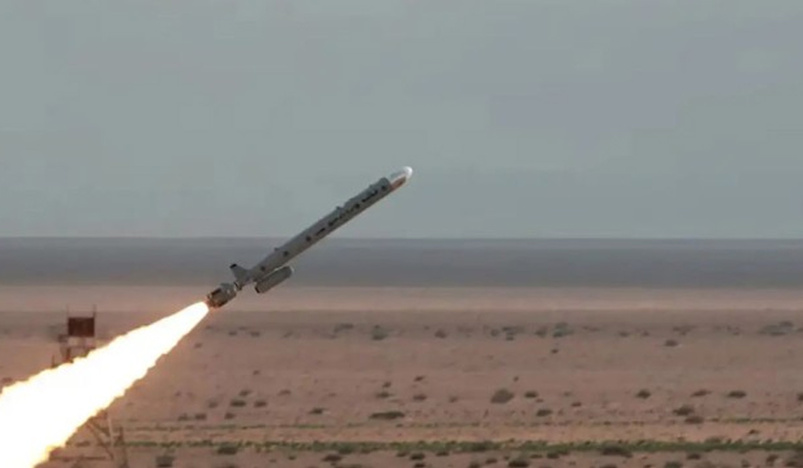
Jordan's air defense systems intercepted and shot down four missiles that entered the kingdom's airspace from Iran early Monday, an official military source at the General Command of the Jordanian Armed Forces — Arab Army said. In a statement carried by the Jordan News Agency (Petra), the General Command said there were no casualties or material damage from the incident.
The military said Royal Engineering Corps teams secured and removed missile debris that fell in several locations, in line with approved technical and security procedures to ensure public safety. "Any attempt to undermine state sovereignty or violate Jordanian airspace will be met with decisive force under established rules of engagement and national interests," the military source said, reaffirming that Jordan's armed forces will not hesitate to take all necessary measures to protect the country.
The Latest in a Long Series of Incidents
Monday's interception is the latest in a string of similar incidents Jordan has faced since the current wave of US-Iran hostilities reignited earlier this month. On July 9, Jordan's military said it intercepted and shot down eight missiles launched from Iran toward Jordanian territory, resulting in falling fragments but no casualties or material damage — marking the first time Jordan had disclosed intercepting Iranian projectiles since June 11, when its forces downed 20 missiles fired at a US command center in the country.
Jordan has generally faced fewer direct attacks than several of its Gulf Arab neighbors throughout the broader regional conflict, despite hosting US forces and aircraft on its territory. Even so, the kingdom has intercepted Iranian projectiles on multiple occasions since the war began in February, including a large-scale interception of 49 drones and missiles, among them 13 ballistic missiles, during an earlier wave of Iranian attacks across the region.
Part of a Broader Sunday Night Escalation
The four missiles intercepted Monday were fired as part of a wider Iranian response to fresh US strikes that hit dozens of Iranian military targets overnight. Sirens were activated in Bahrain, Kuwait's military said it was dealing with hostile aerial targets, and Qatar reported injuries from drone interceptions, according to regional reporting. Iran's Revolutionary Guard separately claimed it had targeted US-linked sites in the region in retaliation.
The US said the fresh wave of strikes on Iran was launched after Iran's Islamic Revolutionary Guard Corps fired at a commercial vessel transiting the Strait of Hormuz, a waterway central to Tehran's leverage in ongoing negotiations. Oil prices climbed sharply amid the escalation, with Brent crude rising more than 3 percent on Sunday.
Jordan's Broader Posture
Jordan has played a recurring role in regional air defense operations well before the current war, including intercepting Iranian drones and missiles crossing its airspace toward Israel during the April 2024 exchange between Iran and Israel, and again during the Twelve-Day War in June 2025. Government spokesman Mohammad Al-Momani has previously stated that the Jordanian Armed Forces remain on high alert and ready to address any threat facing the kingdom, deploying all available resources to safeguard national security and the safety of its citizens.
What to Watch
With Jordan now having intercepted Iranian projectiles on multiple occasions this month alone, attention turns to whether further incidents follow in the coming days, how the US military presence in the country factors into any future Iranian targeting decisions, and whether the broader exchange between Washington and Tehran shows any sign of slowing.



_20-08-2026_05-08.jpg)
_27-51-2026_11-51.png)
_27-43-2026_12-43.png)



.jpg)
.jpg)



.jpg)


.jpg)
.png)
.jpg)












Leave a comment