


 By Simran - July 23, 2026
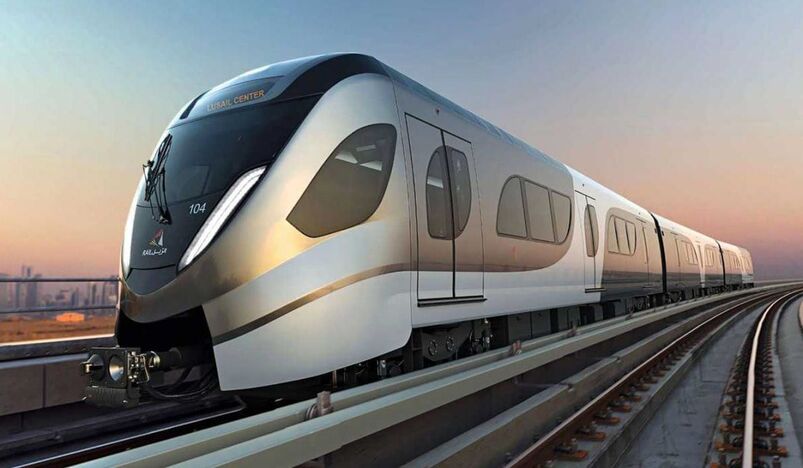
Qatar’s transport and infrastructure regulatory framework is designed to support one of the fastest growing mobility and logistics ecosystems in the region. Built on clear legislation, strong institutional oversight, and long term national planning, the system ensures safe, efficient, and sustainable movement of people and goods across the country.
National Regulatory Framework
Transport regulation in Qatar is anchored in several key authorities:
• Ministry of Transport (MoT) – Oversees national transport policy, land transport regulation, digital mobility initiatives, and strategic planning.
• Public Works Authority (Ashghal) – Responsible for roads, drainage networks, and major public infrastructure projects.
• Civil Aviation Authority (CAA) – Regulates aviation safety, airspace management, and airport operations.
• Qatar Rail – Governs rail infrastructure, metro operations, and future long distance passenger and freight rail development.
• Ports and Maritime Entities – Including Mwani Qatar, which manages port operations, maritime safety, and logistics regulations.
These bodies work together to ensure compliance with international standards while supporting Qatar’s economic diversification goals.
Road Transport Regulation
Qatar’s road transport laws focus on safety, licensing, and modern traffic management:
• Mandatory vehicle registration and periodic inspections
• Licensing requirements for drivers and commercial operators
• Regulations for taxis, limousines, and ride hailing services
• Enforcement of speed limits, seatbelt laws, and heavy vehicle restrictions
• Smart traffic systems integrated with national command centers
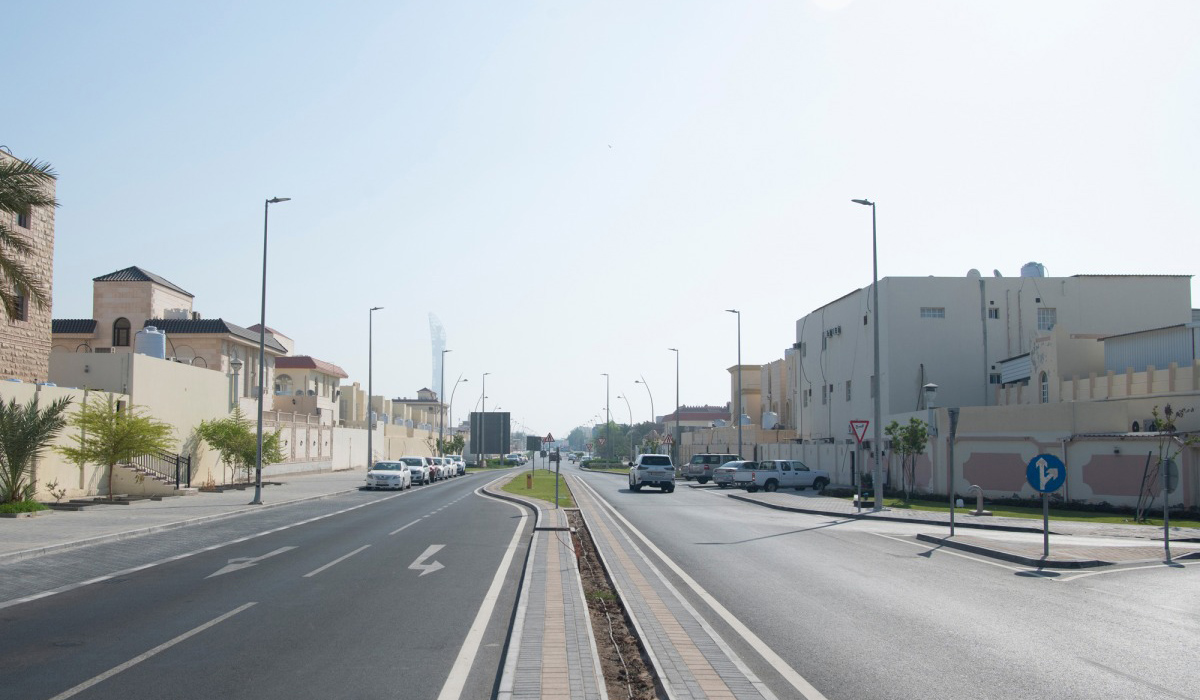
Ashghal’s infrastructure standards ensure high quality roads, expressways, and pedestrian facilities.
Rail and Metro Regulation
Qatar Rail manages the regulatory and operational framework for:
• Doha Metro – Safety standards, passenger operations, and service quality
• Lusail Tram – Urban mobility integration and network coordination
• Future long distance rail projects connecting industrial zones and GCC corridors
Regulations emphasize safety, accessibility, and seamless multimodal connectivity.
Aviation Regulation
The Civil Aviation Authority enforces strict compliance with global aviation standards:
• Air safety and security regulations
• Licensing for airlines, pilots, and maintenance operators
• Oversight of Hamad International Airport operations
• Airspace management and flight permissions
• Environmental and noise control standards
Qatar’s aviation sector is recognized for high regulatory compliance and world class operational performance.
Maritime and Port Regulation
Mwani Qatar oversees:
• Port operations at Hamad Port, Doha Port, and Al Ruwais
• Maritime safety and vessel licensing
• Customs coordination and cargo handling standards
• Environmental protection for coastal and marine areas
Regulations support Qatar’s growing role as a regional logistics hub.
Infrastructure Development Standards
Qatar’s infrastructure regulations ensure:
• High quality construction standards
• Sustainability requirements aligned with national climate goals
• Smart city integration (IoT, digital mobility, intelligent transport systems)
• Compliance with urban planning and zoning laws
• Safety protocols for major public works and mega projects
These standards support long term national strategies such as Qatar National Vision 2030.
Sustainability and Future Mobility
Qatar is increasingly regulating emerging mobility sectors:
• Electric vehicle (EV) infrastructure and charging standards
• Autonomous vehicle testing frameworks
• Green building codes and low emission transport policies
• Integrated public transport systems to reduce congestion
These initiatives reflect Qatar’s commitment to modern, sustainable infrastructure.
Key Takeaway
Qatar’s transport and infrastructure regulation is comprehensive, modern, and aligned with global best practices. Through strong institutional oversight and forward looking policies, the country continues to build a safe, efficient, and sustainable mobility ecosystem that supports national development and international competitiveness.

.jpg)

_20-08-2026_05-08.jpg)
_27-51-2026_11-51.png)
_27-43-2026_12-43.png)



.jpg)
.jpg)



.jpg)


.jpg)
.png)
.jpg)












Leave a comment